
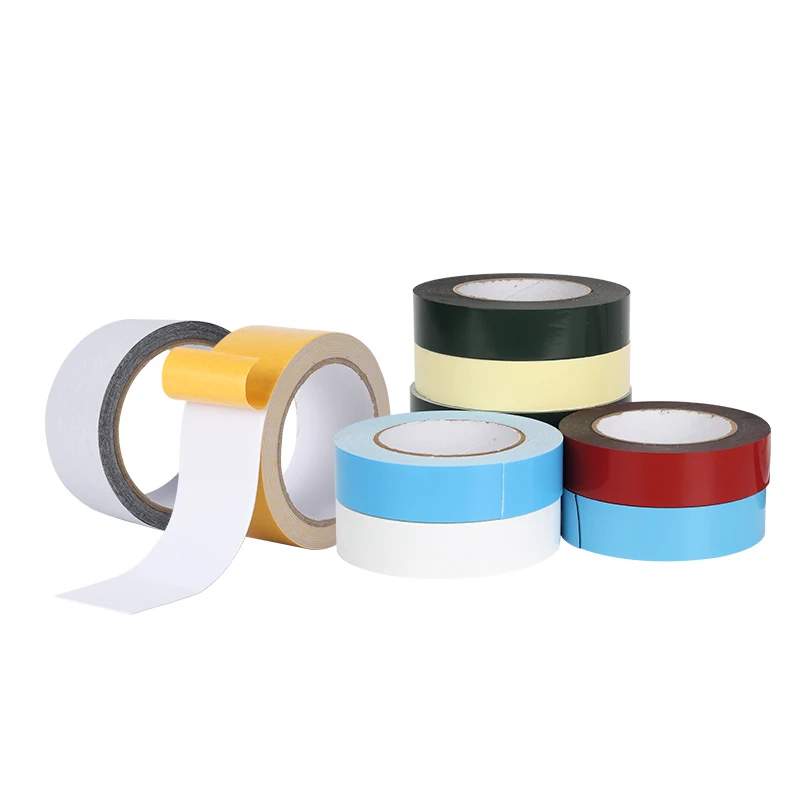
Adhesive Tape Tips: How to Extend Its Shelf Life
Release time:
Oct 18,2023
Table of Contents:
1. Introduction
2. Understanding Adhesive Tape Shelf Life
3. Proper Storage for Adhesive Tapes
4. Environmental Factors Affecting Shelf Life
5. Handling and Application Best Practices
6. Cleaning and Maintenance Tips
7. Frequently Asked Questions (FAQs)
8. Conclusion
Adhesive tape is a versatile tool used in various industries and everyday tasks. To get the most out of your adhesive tape and ensure its longevity, it's essential to understand how to extend its shelf life. In this article, we will explore effective techniques and best practices to keep your adhesive tape in optimal condition for prolonged use.
Adhesive tapes have a specific shelf life, which refers to the period during which they can maintain their adhesive properties. The shelf life of adhesive tape can vary depending on the type of tape and its storage conditions. Understanding the factors that influence shelf life is crucial for maximizing its longevity.
Proper storage is key to extending the shelf life of adhesive tapes. Here are some guidelines to follow:
Adhesive tapes should be stored in a cool and dry environment to prevent degradation. High temperatures and humidity can cause the adhesive to weaken or the tape to become brittle.
Direct sunlight can accelerate the deterioration of adhesive tapes. Store them in a dark place or use opaque containers to shield them from UV rays.
To protect adhesive tapes from moisture and dust, store them in sealed containers or resealable bags. This will help maintain their adhesive properties and prevent contamination.
Several environmental factors can impact the shelf life of adhesive tapes. Understanding these factors can help you take appropriate measures to extend their longevity.
Extreme temperature fluctuations can affect the adhesive properties of tapes. Avoid storing them in areas prone to temperature variations, such as attics or basements.
Excessive humidity can cause adhesive tapes to absorb moisture, leading to decreased adhesion. Avoid storing them in humid environments and opt for climate-controlled storage if possible.
Certain chemicals, such as solvents or strong cleaning agents, can degrade the adhesive on tapes. Keep them away from such substances to maintain their adhesive strength.
Proper handling and application techniques play a significant role in extending the shelf life of adhesive tapes. Follow these best practices:
Before applying adhesive tape, ensure the surface is clean and free from dust, oil, or any other contaminants. A clean surface promotes better adhesion and increases the tape's lifespan.
Overstretching adhesive tape can weaken its adhesive properties and lead to premature failure. Use the tape according to the manufacturer's instructions and avoid excessive tension.
When applying adhesive tape, apply even pressure along its entire length to ensure proper bonding with the surface. Uneven pressure can result in weak adhesion or partial detachment.
Regular cleaning and maintenance can help prolong the shelf life of adhesive tapes. Here are some tips to consider:
When cleaning adhesive tapes, avoid using harsh chemicals or abrasive materials that can damage the tape's surface. Instead, use mild soap and water or recommended cleaning solutions.
If adhesive residue remains on the tape after removal, gently rub it with a cloth soaked in isopropyl alcohol or a recommended adhesive remover. Avoid vigorous scrubbing, as it can damage the tape.
Once cleaned, ensure the adhesive tapes are completely dry before storing them using the proper storage techniques mentioned earlier. This will prevent mold growth or degradation.
1. How long can adhesive tape last?
2. Can I reuse adhesive tape?
3. Does adhesive tape expire?
4. What should I do if the adhesive on the tape starts to weaken?
5. Is it necessary to clean adhesive tapes regularly?
Extending the shelf life of adhesive tape is essential for cost-effective and efficient use. By following proper storage, handling, and maintenance techniques, you can ensure that your adhesive tape remains in optimal condition for extended periods. Remember to store them in a cool, dry place, avoid exposure to sunlight, and handle them with care. Regular cleaning and gentle maintenance will further contribute to the longevity of your adhesive tapes.
1. Introduction
2. Understanding Adhesive Tape Shelf Life
3. Proper Storage for Adhesive Tapes
4. Environmental Factors Affecting Shelf Life
5. Handling and Application Best Practices
6. Cleaning and Maintenance Tips
7. Frequently Asked Questions (FAQs)
8. Conclusion
1. Introduction
Adhesive tape is a versatile tool used in various industries and everyday tasks. To get the most out of your adhesive tape and ensure its longevity, it's essential to understand how to extend its shelf life. In this article, we will explore effective techniques and best practices to keep your adhesive tape in optimal condition for prolonged use.
2. Understanding Adhesive Tape Shelf Life
Adhesive tapes have a specific shelf life, which refers to the period during which they can maintain their adhesive properties. The shelf life of adhesive tape can vary depending on the type of tape and its storage conditions. Understanding the factors that influence shelf life is crucial for maximizing its longevity.
3. Proper Storage for Adhesive Tapes
Proper storage is key to extending the shelf life of adhesive tapes. Here are some guidelines to follow:
3.1 Keeping Tapes in a Cool and Dry Environment
Adhesive tapes should be stored in a cool and dry environment to prevent degradation. High temperatures and humidity can cause the adhesive to weaken or the tape to become brittle.
3.2 Avoiding Exposure to Direct Sunlight
Direct sunlight can accelerate the deterioration of adhesive tapes. Store them in a dark place or use opaque containers to shield them from UV rays.
3.3 Using Sealed Containers
To protect adhesive tapes from moisture and dust, store them in sealed containers or resealable bags. This will help maintain their adhesive properties and prevent contamination.
4. Environmental Factors Affecting Shelf Life
Several environmental factors can impact the shelf life of adhesive tapes. Understanding these factors can help you take appropriate measures to extend their longevity.
4.1 Temperature Fluctuations
Extreme temperature fluctuations can affect the adhesive properties of tapes. Avoid storing them in areas prone to temperature variations, such as attics or basements.
4.2 Humidity
Excessive humidity can cause adhesive tapes to absorb moisture, leading to decreased adhesion. Avoid storing them in humid environments and opt for climate-controlled storage if possible.
4.3 Exposure to Chemicals
Certain chemicals, such as solvents or strong cleaning agents, can degrade the adhesive on tapes. Keep them away from such substances to maintain their adhesive strength.
5. Handling and Application Best Practices
Proper handling and application techniques play a significant role in extending the shelf life of adhesive tapes. Follow these best practices:
5.1 Clean Surface Preparation
Before applying adhesive tape, ensure the surface is clean and free from dust, oil, or any other contaminants. A clean surface promotes better adhesion and increases the tape's lifespan.
5.2 Avoid Overstretching
Overstretching adhesive tape can weaken its adhesive properties and lead to premature failure. Use the tape according to the manufacturer's instructions and avoid excessive tension.
5.3 Applying Even Pressure
When applying adhesive tape, apply even pressure along its entire length to ensure proper bonding with the surface. Uneven pressure can result in weak adhesion or partial detachment.
6. Cleaning and Maintenance Tips
Regular cleaning and maintenance can help prolong the shelf life of adhesive tapes. Here are some tips to consider:
6.1 Avoid Harsh Cleaning Agents
When cleaning adhesive tapes, avoid using harsh chemicals or abrasive materials that can damage the tape's surface. Instead, use mild soap and water or recommended cleaning solutions.
6.2 Gently Remove Residue
If adhesive residue remains on the tape after removal, gently rub it with a cloth soaked in isopropyl alcohol or a recommended adhesive remover. Avoid vigorous scrubbing, as it can damage the tape.
6.3 Store Clean Tapes Properly
Once cleaned, ensure the adhesive tapes are completely dry before storing them using the proper storage techniques mentioned earlier. This will prevent mold growth or degradation.
7. Frequently Asked Questions (FAQs)
1. How long can adhesive tape last?
2. Can I reuse adhesive tape?
3. Does adhesive tape expire?
4. What should I do if the adhesive on the tape starts to weaken?
5. Is it necessary to clean adhesive tapes regularly?
8. Conclusion
Extending the shelf life of adhesive tape is essential for cost-effective and efficient use. By following proper storage, handling, and maintenance techniques, you can ensure that your adhesive tape remains in optimal condition for extended periods. Remember to store them in a cool, dry place, avoid exposure to sunlight, and handle them with care. Regular cleaning and gentle maintenance will further contribute to the longevity of your adhesive tapes.
May 19,2026
LATEST NEWS
Thank You for Your Attention to BROADYA
Send us your needs for your business, we have professional service team to answer you.